API Integrations & Automation—Systems That Work Together.

We connect your website, CRM, email, analytics, and operations tools—securely, reliably, and with documentation.
Documented workflows
Error handling & retries
Secure access management
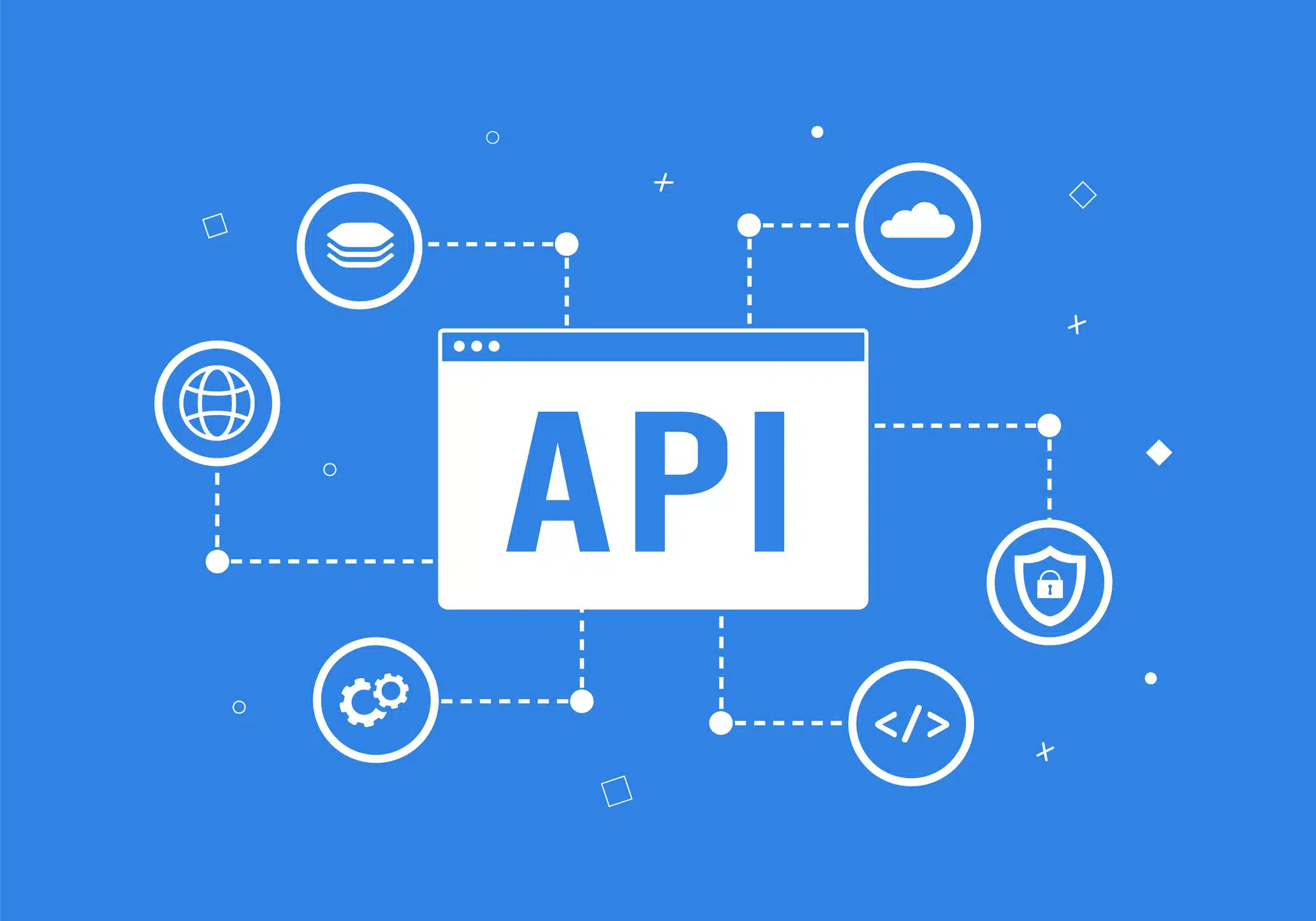
API Integration and automation concept visualization

Connected Ecosystems

We bridge the gap between isolated software tools to create a unified data flow.

Website & eCommerce

Sync orders, inventory, and customer profiles between your store and back-office tools.

Typical Example Sending new WooCommerce orders to shipping software.

CRM

Automatically capture leads from web forms and enrich contact data.

Typical Example Adding website inquiries directly to a sales pipeline.

Email Marketing

Trigger personalized email sequences based on user behavior or purchase history.

Typical Example Tagging subscribers based on specific page visits.

Support Desk

Centralize customer tickets and create unified user profiles for support agents.

Typical Example Creating a ticket when a user reports a bug via form.

Analytics

Send custom events and conversion data to your tracking dashboards.

Typical Example Logging high-value user actions to a dashboard.

Spreadsheets / DBs

Backup form entries or order data into organized rows for operational review.

Typical Example Saving daily lead summaries to a Google Sheet.

Scheduling

Automate calendar invites and reminders based on purchase or inquiry status.

Typical Example Creating a Zoom meeting after a paid consultation.

Internal Tools

Connect proprietary legacy systems to modern web interfaces.

Typical Example Pushing web data to an on-premise inventory ERP.
Automation workflow interface example

Common Workflows

Lead form CRM Notification
Instant sales team alerts when new leads arrive.
New order Task Email
Create fulfillment tasks and confirm receipt automatically.
Booking Calendar Reminders
Sync appointments and reduce no-shows with SMS/Email.
Support form Ticket Tagging
Route requests to the right agent based on priority.
Content publish Social queue
Push new blog posts directly to your social media buffer.
Spreadsheet Dashboard view
Update visualization tools when raw data changes.
Abandoned cart Email sequence
Recover lost revenue with timed follow-up messages.
Failed payment Internal alert
Notify finance immediately (Notification only).

Important Note: We do not provide money transmission services or handle customer funds directly. All payment-related automations are strictly for notification and reporting purposes.

Two Implementation Paths

We help you choose the right approach based on your budget, volume, and complexity.

No-code / Low-code

Best for: Rapid prototyping, standard workflows (Zapier/Make), and connecting popular SaaS tools without servers.

The Upside
  • Rapid setup (days, not weeks)
  • Lower initial development cost
  • Easy for non-developers to tweak logic
Considerations
  • Recurring monthly subscription fees (SaaS)
  • Task/Action limits can get expensive at scale

Custom API Integration

Best for: High-volume data, complex logic that Zapier can't handle, or proprietary internal software.

The Upside
  • No per-task fees (pay for code, not clicks)
  • Unlimited flexibility & data transformation
  • Faster execution for large datasets
Considerations
  • Higher upfront development investment
  • Requires server maintenance (which we handle)

Engineered for Reliability.

APIs fail. Servers timeout. We build defensive integrations that handle errors gracefully so your data never gets lost in the void.

Logging & Alerting

Centralized logs for every API call, allowing us to trace errors instantly.

Retries + Idempotency

Automatic retries for failed requests, preventing duplicate data entries.

Rate Limiting

Smart queuing to respect API limits and prevent service bans.

Failure Notifications

Proactive alerts sent to admin teams if a critical sync fails repeatedly.

Rollback Strategy

Version control for automation workflows to quickly revert bad updates.

Documentation

Clear guides on how the integration works, not just "magic code."
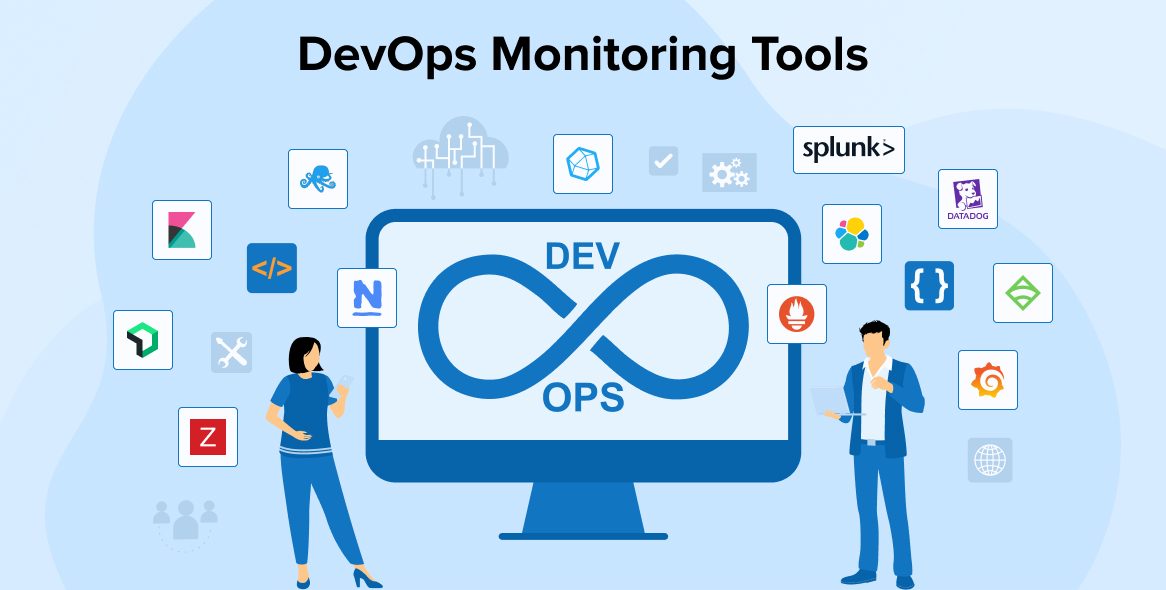
DevOps monitoring and reliability dashboard
What You Receive
  • Logic Flow Map
  • Secure Credentials Handling Plan
  • UAT Test Checklist

Security & Access Control

Integrations are powerful, but they shouldn't create vulnerabilities. We lock down your data pipeline with strict protocols.

Least-Privilege Access

We request only the specific permissions needed (e.g., "Read Only" vs "Full Admin") to minimize risk.

Encrypted Credentials

API keys and OAuth tokens are stored using industry-standard encryption, never hardcoded in scripts.

Access Revocation

Clear protocols to instantly rotate keys or revoke access if a third-party tool is compromised.

Audit Logs

Where supported, we enable detailed activity logging to track exactly what data is being synced and when.

Staging First

All new automations are rigorously tested in a sandbox environment before touching live production data.


Security Practices
Abstract digital security lock

Integration FAQ

Answers to common questions about connecting your systems.

We support nearly any tool with a REST or GraphQL API. We commonly work with Zapier, Make, Salesforce, HubSpot, WordPress, Shopify, Stripe, Google Workspace, and AirTable, but custom connections are our specialty.

Yes. This is one of our most frequent requests. We can sync new orders, customer profiles, and lead forms directly into your CRM (like Zoho or HubSpot) in real-time, tagging them based on purchase history.

Our workflows include error handling logic. If an API times out or fails, the system is designed to retry the request automatically. If it fails repeatedly, we receive an alert to investigate manually so no data is lost.

We build queuing systems into our integrations. If your data volume exceeds the API's limit (e.g., 100 requests per minute), our code "throttles" the requests, processing them in batches to stay compliant.

You do. We transfer ownership of all Zapier/Make accounts and custom code repositories to you upon project completion. We believe you should never be locked out of your own infrastructure.

Yes. We offer maintenance retainers that include proactive monitoring of your API connections. If an API changes (e.g., a version update breaks a connection), we are on standby to fix it immediately.

Stop manual work. Build reliable systems.